

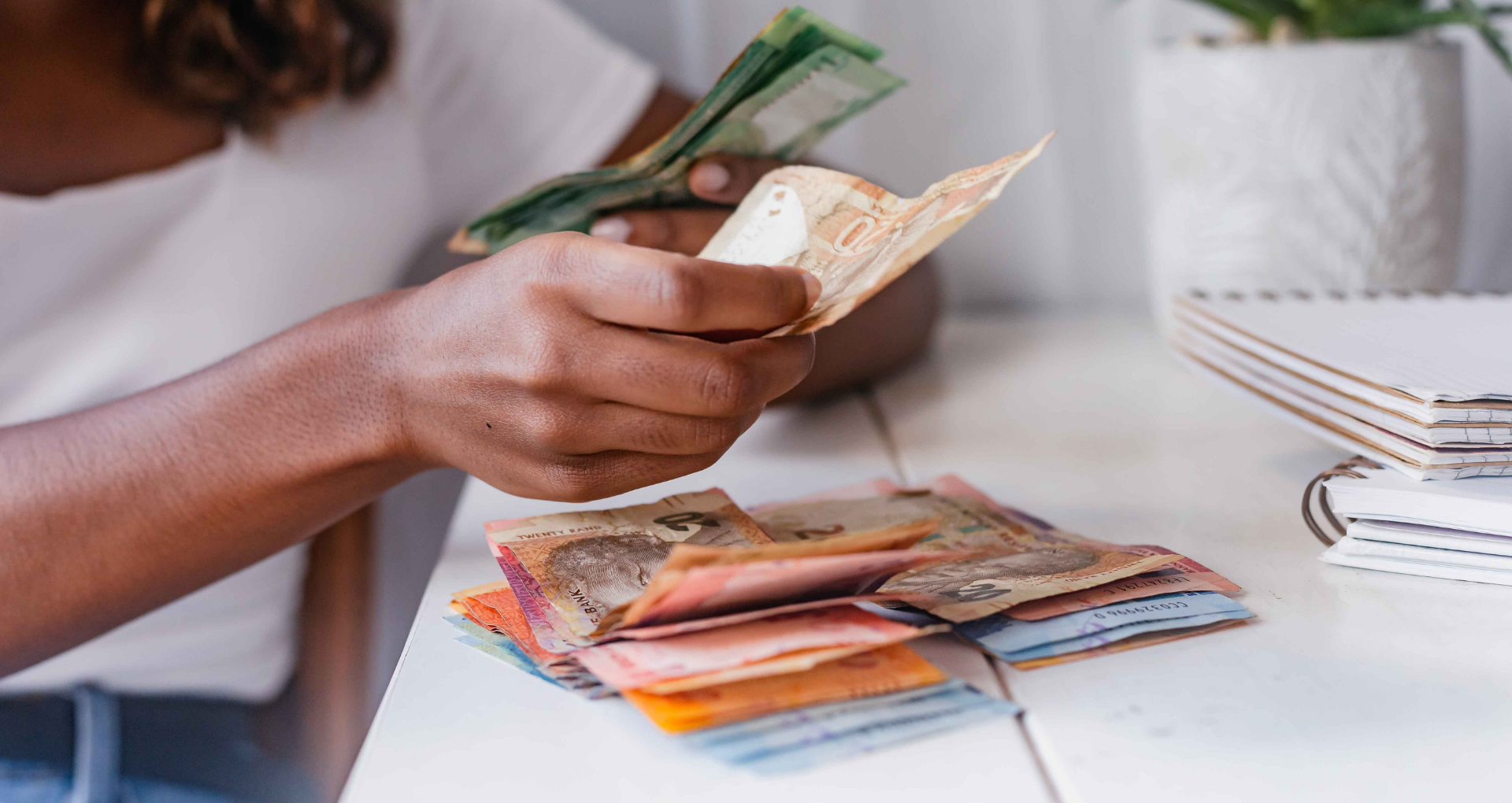
The long-awaited 2025 budget has finally been presented by the Minister of Finance, albeit later than expected. As expected, it has sparked extensive debate. In this blog, we narrow our focus to what truly matters for individuals – how the budget impacts your personal income, spending power, and overall financial well-being.
A Budget That Takes More Than It Gives?
A strong budget should ideally foster income growth and wealth accumulation for citizens. Unfortunately, the 2025 budget appears to do the opposite—reducing disposable income and placing an additional burden on taxpayers. Here’s how:
- No Expansion of Tax Brackets -The Bracket Creep Problem
One of the biggest disappointments is the failure to expand tax brackets to counter the effects of bracket creep. This means that when salaries increase—often just to keep up with inflation – people may move into higher tax brackets, leaving them with less take-home pay after taxes. Effectively, this means many workers won’t fully benefit from their salary increases.
- VAT Increase – Less for Your Money
Consumers will pay more for everyday purchases due to the gradual increase in Value Added Tax (VAT). Over two fiscal years, VAT will rise by a total of one percentage point, with a 0.5% increase each year. This directly affects the cost of living, as everything from groceries to basic services becomes more expensive.
- No Increase in Retirement Contribution Deductions
One of the best ways to save for retirement is through pension funds, which offer tax advantages. However, the maximum allowable tax deduction for retirement contributions has remained unchanged for several years. As people’s incomes grow, the tax benefits of saving for retirement diminish, discouraging long-term financial planning.
- No Adjustment to Tax Rebates and Medical Tax Credits
Income tax rebates and medical tax credits remain unchanged, despite rising inflation. At the very least, an inflation-based adjustment would have helped taxpayers offset rising costs. Unfortunately, this increases the financial strain on individuals, particularly those who rely on medical aid tax credits to manage healthcare expenses.
- Social Grants – A Small Silver Lining
For those receiving social grants, there is some positive news – grant increases have outpaced inflation. This provides some relief to recipients, ensuring that their benefits retain purchasing power despite the rising cost of living.
- Property Buyers Get a Break
Prospective homebuyers will benefit from changes to transfer duty thresholds. From April 1, 2025, properties valued at R1,210,000 or less will be exempt from transfer duty (previously capped at R1,100,000). Additionally, tax brackets for higher-value properties have been expanded, providing further relief for buyers.
Final Thoughts: What Does This Mean for You?
While the budget offers some relief for homebuyers and social grant recipients, the overall impact on individuals is negative. The failure to adjust tax brackets, combined with VAT increases and static retirement deductions, means that the average citizen will have less disposable income.
Ultimately, the 2025 budget takes more from individuals than it gives, making it essential for taxpayers to plan carefully, seek tax-efficient investment options, and adjust their financial strategies accordingly.